Table of Contents >> Show >> Hide
- Why a Daybed Works So Well in a Small Room
- 14 Creative Daybed Ideas for Small Spaces
- 1. Turn a Spare Wall into a Sofa-by-Day, Bed-by-Night Zone
- 2. Choose a Daybed with Built-In Storage
- 3. Use a Trundle for Sleepovers and Guests
- 4. Create a Home Office That Secretly Doubles as a Guest Room
- 5. Tuck One into a Window Nook
- 6. Float It in a Kids’ Room to Open Up Play Space
- 7. Use It as a Living Room Statement Piece
- 8. Place It Under Shelving for a Built-In Look
- 9. Add Wall Sconces Instead of Table Lamps
- 10. Pair It with an Ottoman That Can Move Around
- 11. Lean into a Patterned Fabric for Personality
- 12. Use a Daybed on a Small Balcony or Enclosed Porch
- 13. Frame It with Curtains for a Cozy Alcove Effect
- 14. Style It Like a Lounge, Not an Afterthought
- How to Make a Daybed Look Better in a Small Space
- Mistakes to Avoid
- Real-Life Experiences and Lessons from Decorating with Daybeds in Small Spaces
- Final Thoughts
Small rooms are like carry-on luggage: they force you to be selective, strategic, and a little bit ruthless. That is exactly why a daybed deserves a standing ovation in the tiny-space hall of fame. It can lounge like a sofa, sleep like a bed, and rescue an awkward corner that has been doing absolutely nothing except collecting dust and guilt.
If you are decorating a studio apartment, a guest room that also moonlights as an office, or a kid’s room that somehow has to fit playtime, homework, and sleep, a daybed can do the heavy lifting without making the room feel overstuffed. The best small-space daybed ideas are not just about squeezing in extra seating. They are about making every square foot earn its keep while still looking polished, comfortable, and intentional.
Below, you will find practical, stylish, and genuinely livable daybed ideas for small spaces, along with decorating tips that help the room feel bigger, brighter, and far less like a furniture traffic jam.
Why a Daybed Works So Well in a Small Room
A daybed is one of the smartest pieces of multifunctional furniture you can bring into a compact home. It gives you a place to sit during the day and a place to sleep at night, which means you do not need both a sofa and a guest bed fighting for floor space. In a small bedroom, it can soften the room and make it feel more lounge-like. In a home office, it turns a work zone into a guest-ready retreat. In a living room, it can act like a chic sofa alternative, especially when styled with supportive pillows and a throw.
Even better, many modern daybeds come with built-in storage drawers, trundles, or slim frames that tuck neatly against the wall. Translation: more function, less clutter, and fewer arguments with your floor plan.
14 Creative Daybed Ideas for Small Spaces
1. Turn a Spare Wall into a Sofa-by-Day, Bed-by-Night Zone
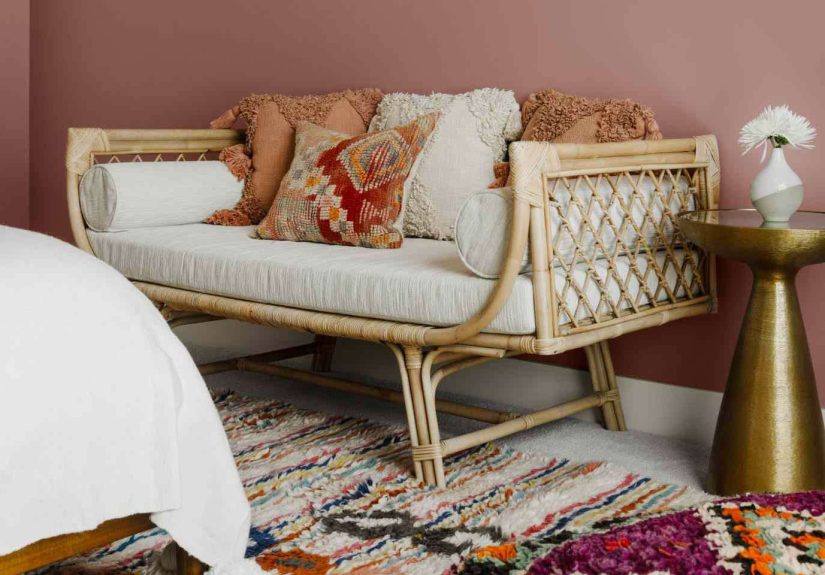
One of the easiest ways to use a daybed in a small space is to place it lengthwise against the wall and style it like a sofa. Add a mix of large Euro pillows, lumbar cushions, and one textured throw so it reads as intentional seating instead of “bed that accidentally wandered into the room.”
This approach works beautifully in studios and one-bedroom apartments because it frees the center of the room and keeps the layout visually calm. A slim side table or a tiny C-table can serve as a nightstand when needed without hogging precious square footage.
2. Choose a Daybed with Built-In Storage
In a small room, hidden storage is basically interior design magic. A daybed with drawers underneath can hold extra linens, off-season clothes, pillows, or the random blanket collection everyone seems to grow without permission.
Storage daybeds are especially smart in guest rooms, kids’ rooms, and apartments where closet space is limited. Instead of adding a bulky dresser, let the daybed do double duty. Your room stays cleaner, and your storage looks suspiciously effortless.
3. Use a Trundle for Sleepovers and Guests
If your small space occasionally needs to host more than one sleeper, a trundle daybed is a clever upgrade. It stays compact most of the time, then slides out when guests arrive. That makes it ideal for a child’s room, a teen room, or a flexible guest room that does not want to look like a full-time bedroom.
The trick is to leave enough clearance for the trundle to open comfortably. Even in a tight room, good planning beats wishful thinking every time.
4. Create a Home Office That Secretly Doubles as a Guest Room
A daybed is one of the best ways to make a home office pull double duty without screaming “someone sleeps next to the printer.” Place the daybed on the wall opposite your desk and keep the bedding minimal during the day. Decorative pillows, a tailored coverlet, and a pair of sconces make it look more like a built-in lounge than a backup bed.
When guests come over, swap the accent pillows for sleeping pillows and add folded bedding from a nearby basket or under-bed drawer. Suddenly your office is hospitable, and you still did not have to buy a giant sleeper sofa.
5. Tuck One into a Window Nook
If you have a wide window wall, alcove, or sunny corner, a compact daybed can become the room’s coziest seat. This works especially well in apartments and older homes with odd architecture that does not quite fit standard furniture.
Dress the space with a cushion in performance fabric, soft pillows, and light-filtering curtains nearby. The result feels part reading nook, part nap station, part “I definitely have my life together” fantasy.
6. Float It in a Kids’ Room to Open Up Play Space
In a child’s bedroom, a daybed placed parallel to the wall can preserve more open floor area than a bulkier bed setup. That extra space matters when the room also has to handle building blocks, art projects, costume changes, and one stuffed animal population explosion.
Choose washable bedding, soft edges, and storage underneath if possible. During the day, the daybed can act as a reading bench or hangout spot. At night, it becomes a proper sleep space without wasting room.
7. Use It as a Living Room Statement Piece
Who says your small living room must have a traditional sofa? A daybed can bring a more relaxed, design-forward look, especially in spaces where you want extra seating without visual heaviness. Upholstered daybeds in velvet, boucle, linen, or leather can feel polished enough for the main room, not just the spare room no one talks about.
Add a floor lamp, a small coffee table, and a couple of tailored cushions, and the setup reads sophisticated rather than improvised. It is especially effective in minimalist, Scandinavian, eclectic, or vintage-inspired interiors.
8. Place It Under Shelving for a Built-In Look
A small room benefits from furniture that feels integrated with the architecture. Position a daybed under floating shelves or between two narrow bookcases to create a built-in effect. This gives the area more presence while also adding vertical storage.
Keep the shelves styled lightly with books, ceramics, or framed art so the wall stays airy. Overloading every shelf is the fastest way to make a small room feel like it is holding its breath.
9. Add Wall Sconces Instead of Table Lamps
Table lamps are lovely until they start eating the last usable inch of your bedside surface. In a compact room, wall sconces above a daybed free up table space and make the setup feel more custom.
Sconces also help a daybed look deliberate, especially when used in a guest room or office. The room starts to feel styled rather than temporary, which is exactly the vibe you want when square footage is limited.
10. Pair It with an Ottoman That Can Move Around
A small ottoman next to a daybed is a surprisingly useful sidekick. It can serve as a footrest, a coffee table with a tray, extra seating, or a temporary nightstand for overnight guests. In a tight layout, flexibility is gold.
Look for a compact ottoman with hidden storage if you really want to show off. That is where you stash throws, chargers, or the decorative pillows you heroically remove every night before bed.
11. Lean into a Patterned Fabric for Personality
Small spaces do not have to be shy. A daybed upholstered in stripes, florals, or a subtle geometric print can make the room feel layered and memorable. Because the piece serves as both seating and sleeping furniture, it naturally becomes a focal point, so a little pattern can go a long way.
Balance it with quieter walls or simple bedding if you want the room to stay restful. Think statement, not chaos. This is design drama, not a pillow fight.
12. Use a Daybed on a Small Balcony or Enclosed Porch
If your small-space challenge extends outdoors, a compact daybed can transform a balcony, porch, or sunroom into a lounge-worthy retreat. Outdoor-friendly daybeds are ideal for reading, napping, or making a tiny patio feel like an intentional extension of your living area.
Choose weather-resistant materials, simple cushions, and a small side surface for drinks or books. A narrow rug and a few planters can finish the look without crowding the area.
13. Frame It with Curtains for a Cozy Alcove Effect
If your daybed sits in a niche, corner, or multi-use room, soft curtains can define the area and make it feel more intimate. This works well in studio apartments, shared bedrooms, or guest spaces where a little visual separation goes a long way.
Sheer panels keep things light, while heavier drapes make the bed area feel tucked away. Either way, the daybed gains presence and privacy without requiring actual walls. Architecture on a budget? We love to see it.
14. Style It Like a Lounge, Not an Afterthought
The biggest difference between a beautiful daybed and one that looks accidental is styling. Start with a fitted cover or quilt, then layer pillows in varying shapes and textures. Add art above, a rug below, and one or two nearby functional pieces such as a basket, side table, or reading lamp.
When a daybed is styled like a proper lounge zone, it feels elevated and purposeful. That is the secret to making small-space furniture feel intentional rather than merely practical.
How to Make a Daybed Look Better in a Small Space
First, pay attention to scale. A delicate metal or slim wood frame usually works better in a cramped room than a thick, overbuilt silhouette. Second, use vertical space. Shelving, sconces, and art can make the daybed area feel designed without swallowing floor space. Third, keep the color story cohesive. Matching the daybed upholstery or bedding to the room’s palette helps the piece blend in, which can make the room feel bigger.
Finally, do not overload it with too many pillows. Yes, pillows are charming. No, they do not need their own zip code. Choose a few supportive, attractive ones and stop while you are ahead.
Mistakes to Avoid
The most common mistake is buying a daybed without measuring circulation space. You need room to walk comfortably around it, and even more if there is a trundle. Another mistake is styling it like a bed in a room that needs it to behave like a sofa. The solution is simple: use structured back pillows, tailored bedding, and nearby lighting so it feels like seating first.
Also avoid bulky side furniture. In small rooms, every inch matters. Slim tables, floating shelves, and wall-mounted lights help the room stay functional without feeling crowded.
Real-Life Experiences and Lessons from Decorating with Daybeds in Small Spaces
People often assume a daybed is a compromise piece, something you buy when you cannot fit a “real” sofa or bed. In practice, it often feels like the opposite. In small homes, a daybed can make a room more livable because it encourages flexibility. A guest room becomes a reading room. A home office becomes welcoming instead of sterile. A tiny apartment living room suddenly has a place to stretch out without dedicating the whole room to sleep.
One of the most common experiences people report is that a daybed changes how often they actually use a room. A spare room with a conventional bed can become a place that mostly sits idle. A daybed, by contrast, invites everyday use. It is where someone drinks coffee with a laptop in the morning, folds laundry in the afternoon, and hosts a guest on the weekend. In that sense, the daybed earns its square footage more consistently than a standard bed.
Another lesson is that styling matters more than expected. The same daybed can look sleek and intentional in one room and oddly temporary in another. The difference usually comes down to layers. People who love their daybed setup tend to add art, a throw, lighting, and supportive back pillows, making the piece feel integrated into the room’s design. People who dislike it often leave it looking too much like a bare mattress parked against a wall. That is not the daybed’s fault. That is just unfinished decorating wearing a fake mustache.
Storage also becomes a bigger deal over time. At first, under-bed drawers may seem like a nice bonus. After a few months in a compact home, they start to feel essential. Extra sheets, guest blankets, winter throws, and even out-of-season clothes can disappear neatly below the mattress. This reduces visual clutter, which is critical in a small room where even one messy corner can make the whole space feel tighter.
Families often find daybeds especially useful in kids’ rooms and multipurpose spaces. During the day, the bed becomes a perch for reading, gaming, chatting, or just dramatically flopping onto after school. At night, it handles sleep without consuming the room’s open floor area. In shared spaces, trundles can be a lifesaver for sleepovers or visiting relatives, though people quickly learn that measuring clear floor space beforehand is not optional.
Perhaps the biggest real-world takeaway is that a daybed works best when you are honest about how the room is used. If the space needs to function as seating most of the time, style the daybed like a sofa. If it is mainly for sleeping with occasional lounging, prioritize comfort and simple bedding. The most successful small-space rooms are not the most expensive or the most elaborate. They are the ones where the furniture matches real life. And real life, as it turns out, absolutely loves a well-placed daybed.