Table of Contents >> Show >> Hide
- Why Artificial Plants Still Need Care
- Start With the Material: Not All Faux Plants Are the Same
- The Best Routine for Cleaning Artificial Plants
- How to Clean Artificial Plants Step by Step
- Cleaning Methods for Different Types of Artificial Plants
- How to Prevent Artificial Plants From Fading
- How to Make Artificial Plants Look More Real
- Where to Place Artificial Plants for Easy Care
- How to Store Artificial Plants
- Common Mistakes to Avoid
- A Simple Artificial Plant Care Schedule
- Practical Experience: What Actually Works When Caring for Artificial Plants
- Conclusion
Artificial plants are the superheroes of home décor: they never ask for water, never sulk in a dark corner, and never punish you for forgetting them during vacation. But here is the tiny catchwhile faux greenery does not need sunlight, pruning, fertilizer, or emotional encouragement, it still needs care. Dust, fading, bent leaves, sticky kitchen grime, and sad-looking pots can turn even the most expensive artificial fiddle leaf fig into something that whispers, “I came from a clearance bin.”
Learning how to care for artificial plants is less about complicated maintenance and more about creating a simple routine. A few minutes of dusting, the right cleaning method for each material, smart placement, and proper storage can keep fake plants looking fresh, natural, and stylish for years. Whether you own silk flowers, plastic succulents, faux trees, artificial hanging baskets, or outdoor UV-resistant greenery, this guide will help you keep them looking like they belong in a designer showroomnot in your grandmother’s forgotten attic.
Why Artificial Plants Still Need Care
The biggest myth about artificial plants is that “low maintenance” means “no maintenance.” Unfortunately, dust did not receive that memo. Artificial leaves collect dust just like shelves, lampshades, books, and picture frames. Unlike real plants, faux plants do not get occasional rinses from watering, misting, rain, or humidity. That means dust sits on the surface until you remove it.
Dust is more than a cosmetic problem. It dulls color, hides texture, makes leaves look flat, and gives away the plant’s secret identity. A dusty artificial monstera does not say “tropical elegance.” It says, “I have been standing here since the last time someone moved the sofa.” Regular cleaning keeps your artificial greenery bright, believable, and easier to maintain over time.
Start With the Material: Not All Faux Plants Are the Same
Before cleaning artificial plants, check what they are made of. Different materials need different treatment, and using the wrong method can cause fading, fraying, or warped leaves.
Plastic and Rubber Artificial Plants
Plastic and rubber faux plants are usually the easiest to clean. They can often handle a damp microfiber cloth, gentle dish soap, and even a quick rinse if they are not glued into a delicate pot. These are common in artificial succulents, tropical leaves, and many budget-friendly houseplants.
Silk or Fabric Artificial Plants
Silk flowers and fabric leaves look soft and realistic, but they require a gentler touch. Too much water can cause dyes to bleed, petals to lose shape, or glued parts to loosen. For silk plants, dry dusting, cool air, a soft brush, or spot cleaning is usually safest.
Polyester Artificial Plants
Many modern faux plants are made from polyester blends. These are often more durable than silk but softer than hard plastic. They can usually be wiped gently with a barely damp cloth, but it is still smart to test any cleaner on a hidden leaf first.
Outdoor Artificial Plants
Outdoor artificial plants need extra protection because sun, wind, rain, and temperature changes are tougher than indoor dust. Look for UV-resistant or UV-treated artificial plants if you plan to use them outside. Indoor-only plants may fade quickly in direct sun, especially if they sit on a bright patio or balcony.
The Best Routine for Cleaning Artificial Plants
A simple schedule is the secret to keeping fake plants looking real. You do not need a spreadsheet, a cleaning ceremony, or a dramatic montage. Just build faux plant care into your regular home routine.
Weekly or Biweekly Dusting
Dust artificial plants once a week or every two weeks, depending on how dusty your home gets. Homes near busy roads, open windows, pets, ceiling fans, or high-traffic areas may need more frequent cleaning. Use a microfiber cloth, feather duster, electrostatic duster, or soft-bristled paintbrush.
Always work from the top down. If you start at the bottom, dust from the upper leaves will fall onto the areas you just cleaned, which is basically housework betrayal. For detailed faux ferns, silk flowers, or small leaves, use a clean makeup brush or small paintbrush to reach tight spaces.
Monthly Shape Check
Once a month, take a minute to reshape stems, rotate pots, and adjust leaves. Artificial plants often get compressed during shipping or cleaning. Bendable stems and wired branches should be gently opened and angled in different directions. Real plants are imperfect, so your faux plants should not look like a plastic marching band standing at attention.
Deep Cleaning Twice a Year
Deep clean artificial plants every six months, or more often if they live in kitchens, bathrooms, entryways, or outdoor spaces. Kitchen plants can collect grease. Bathroom plants may collect moisture and residue. Entryway plants meet shoes, dust, and the occasional mysterious household crumb. Deep cleaning removes grime that regular dusting cannot handle.
How to Clean Artificial Plants Step by Step
Step 1: Remove Loose Dust
Start with dry dusting. Use a microfiber cloth, feather duster, soft brush, or cool hair dryer to remove loose debris. This step matters because wiping a dusty plant with water too soon can turn dust into muddy streaks. Nobody wants a faux ficus wearing gray paste.
Step 2: Choose the Right Cleaning Method
For plastic or rubber plants, dampen a microfiber cloth with lukewarm water and a drop of mild dish soap. Wipe each leaf gently from stem to tip. For stubborn grime, use a cotton swab or soft toothbrush. Rinse the cloth often so you are not just relocating dirt from one leaf to another.
For silk or fabric plants, use minimal moisture. Try a soft dry cloth, cool air, or a clean brush first. If the plant needs more cleaning, lightly dampen a cloth with water and test a hidden spot. If color transfers, stop immediately and use only dry methods.
Step 3: Avoid Harsh Chemicals
Bleach, strong detergents, abrasive cleaners, and heavy sprays can damage artificial leaves and flowers. They may strip color, weaken glue, leave residue, or make leaves look unnaturally shiny. A gentle approach is best. Think spa day, not industrial pressure wash.
Step 4: Dry Thoroughly
After wiping or rinsing, let artificial plants dry completely before returning them to decorative pots, shelves, or storage boxes. Moisture trapped near glued bases, moss, foam, or faux soil can lead to odors, mildew, or loosened parts. Place the plant on a towel in a shaded, ventilated area until it is fully dry.
Cleaning Methods for Different Types of Artificial Plants
For Large Artificial Trees
Large faux trees such as olive trees, fiddle leaf figs, palms, and rubber trees collect dust on broad leaves and trunks. Use a microfiber cloth for leaves and a soft brush attachment on a vacuum for trunks or hard-to-reach branches. Keep the vacuum on low suction if possible. If leaves are wired, reshape them after cleaning so the tree looks full and natural.
For Artificial Succulents
Fake succulents often have small grooves where dust hides like it is paying rent. Use a soft paintbrush, makeup brush, or compressed air in short bursts. Avoid soaking them if they are set in glued gravel, faux sand, or decorative stones.
For Silk Flowers
Silk flowers need delicate care. Dust petals gently with a feather duster or soft brush. For layered blooms, use cool air from a hair dryer held at a distance. If a flower is stained, spot clean with a barely damp cloth after testing first. Avoid twisting petals, rubbing hard, or using hot water.
For Artificial Hanging Plants
Artificial hanging plants gather dust on trailing vines and upper leaves. Take them down before cleaning instead of trying to dust them overhead while pretending you are a professional circus performer. Lay the vines flat on a towel, dust from top to bottom, wipe sturdy leaves, and reshape the strands before hanging them again.
For Outdoor Artificial Plants
Outdoor faux plants need regular checks for pollen, dirt, cobwebs, and fading. Shake loose debris outside, wipe leaves with a damp cloth, and rinse durable plastic plants when needed. Place them under covered patios, pergolas, awnings, or shaded areas when possible. Even UV-resistant artificial plants last longer when they are not blasted by direct sun all day.
How to Prevent Artificial Plants From Fading
Sunlight is one of the biggest enemies of faux greenery. Over time, direct UV exposure can fade leaves, weaken stems, and make colors look dull or uneven. To prevent fading, avoid placing indoor artificial plants in bright windows for long periods. Rotate plants monthly so one side does not take all the sun exposure.
If you use artificial plants outside, choose products labeled for outdoor use or UV protection. For extra care, use a UV-protective spray designed for artificial flowers and foliage. Always follow the product instructions and let the plant dry completely before display.
Color choice also matters. Bright reds, deep purples, and vivid greens can show fading faster than softer, natural tones. If your outdoor space gets strong sun, choose realistic greenery with subtle color variation instead of neon leaves that look like they escaped from a craft store in 1998.
How to Make Artificial Plants Look More Real
Caring for artificial plants is not only about cleaning; it is also about styling. A clean but badly styled faux plant can still look fake. The good news is that a few tricks can dramatically improve realism.
Use a Better Pot
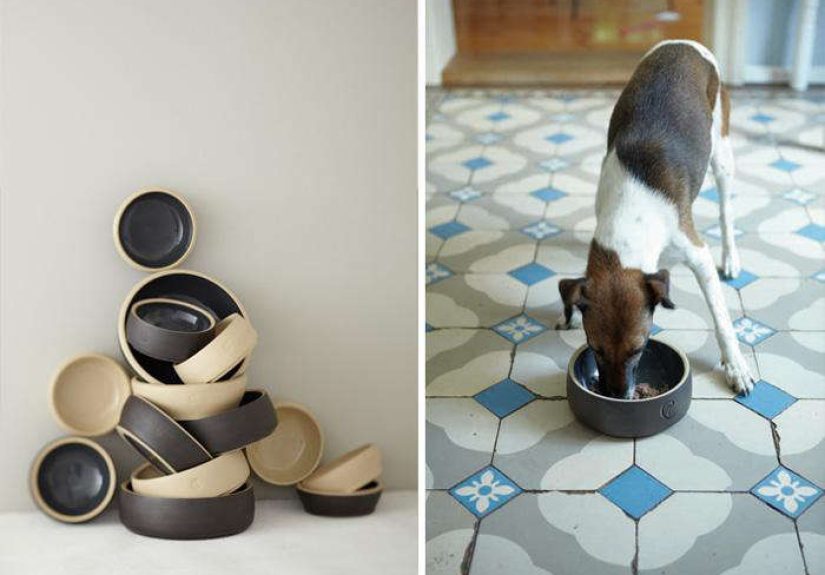
Many artificial plants come in small black nursery pots that are meant to be hidden. Place them inside decorative planters, ceramic pots, woven baskets, or stone containers. A beautiful pot instantly makes the plant look more intentional and expensive.
Add Moss, Pebbles, or Real Soil
Cover the base with preserved moss, stones, bark, or a thin layer of real soil. This hides plastic stems and gives the plant a more natural finish. Just avoid adding wet soil to materials that may mold or stain.
Bend the Branches
Real plants grow toward light, bend around obstacles, and develop uneven shapes. Artificial plants often arrive too symmetrical. Gently bend stems, spread leaves, and create natural gaps. A little imperfection makes faux greenery more convincing.
Mix Real and Faux Plants
If you have a few real houseplants, place artificial plants nearby. The eye reads the whole grouping as natural. This trick works especially well with shelves, console tables, plant corners, and office spaces.
Where to Place Artificial Plants for Easy Care
Placement affects both appearance and maintenance. Put faux plants where real plants would struggle: dim corners, windowless offices, bathrooms with poor light, high shelves, rental apartments, and busy areas where watering real plants would be annoying.
Avoid placing artificial plants too close to stovetops, fireplaces, radiators, vents, or strong direct sunlight. Heat can warp leaves and weaken adhesives. Kitchen grease can create sticky buildup, so if you love greenery near the kitchen, choose easy-to-wipe plastic foliage rather than delicate silk flowers.
For high shelves, choose simple plants with larger leaves because they are easier to dust. For close-up areas like coffee tables, invest in higher-quality faux plants with realistic texture, matte finishes, and natural color variation. The closer people get, the better the details need to be.
How to Store Artificial Plants
If you rotate seasonal décor, store artificial plants carefully. Clean them first, let them dry completely, and place them in sturdy containers. Use tissue paper around delicate flowers and avoid crushing petals or bending stems sharply. Large faux trees can be covered with breathable cloth bags or stored upright if space allows.
Keep artificial plants away from direct sunlight, damp basements, hot attics, and areas where pests may get in. Label containers so you do not accidentally place a silk orchid under a box of holiday ornaments. Faux flowers are patient, but they are not indestructible.
Common Mistakes to Avoid
- Using hot water: Heat can damage dyes, glue, and delicate materials.
- Skipping the dusting step: Wet cleaning dusty leaves can create streaks.
- Using too much shine spray: Real leaves are not usually mirror-glossy. Too much shine looks fake.
- Ignoring the pot: A realistic plant in a cheap plastic pot still looks unfinished.
- Putting indoor faux plants outside: Indoor materials may fade, crack, or deteriorate quickly outdoors.
- Overcrowding storage boxes: Crushed flowers and bent leaves are hard to revive.
A Simple Artificial Plant Care Schedule
| Frequency | Care Task | Best Tools |
|---|---|---|
| Weekly or biweekly | Light dusting | Microfiber cloth, feather duster, soft brush |
| Monthly | Rotate, reshape, and inspect for fading | Hands, decorative moss, clean cloth |
| Every 3–6 months | Deep clean based on material | Mild dish soap, damp cloth, cool air, cotton swabs |
| Before storage | Clean, dry, and pack carefully | Storage bins, tissue paper, cloth bags |
Practical Experience: What Actually Works When Caring for Artificial Plants
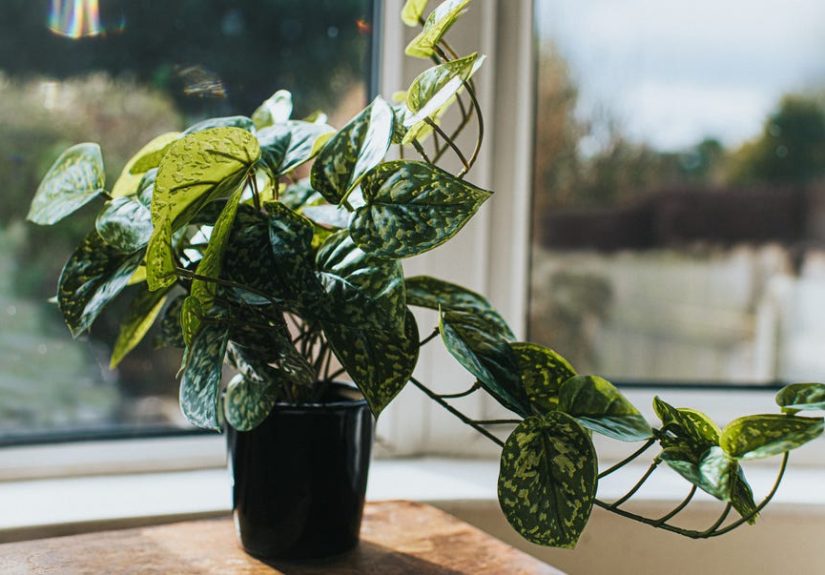
After working with artificial plants in different rooms, the biggest lesson is simple: the plants that look best over time are not always the most expensive ones; they are the ones that are cleaned consistently and styled thoughtfully. A $40 faux pothos that gets dusted every week can look better than a $300 artificial tree that has been ignored in a sunny corner for two years.
One of the most useful habits is keeping a small “plant care kit” in the cleaning closet. Mine would include a microfiber cloth, a soft paintbrush, cotton swabs, and a small bottle of mild dish soap diluted with water. That is enough for most situations. The paintbrush is especially helpful for artificial ferns, faux lavender, and small succulents because those plants have tiny spaces that regular cloths cannot reach. It feels oddly satisfying, like giving your fake plant a tiny spa treatment without the awkward cucumber slices.
Another experience-based tip is to clean artificial plants before they look dirty. Once dust becomes visible, it has usually already settled into the texture of the leaves. A quick weekly pass keeps the job easy. Waiting six months turns a two-minute task into a full investigation involving soap, towels, and regret.
Placement also makes a huge difference. Faux plants placed near windows tend to fade faster, especially if they are not UV-resistant. Plants near kitchens collect a fine film of grease that attracts more dust. Bathrooms can be tricky because moisture may settle into moss, foam, or fabric petals. The best low-maintenance spots are shaded corners, bookshelves, console tables, bedrooms, offices, and entryways away from direct heat.
For realism, the pot matters almost as much as the plant. Many artificial plants look dramatically better when placed inside a heavier decorative planter. Adding moss or pebbles at the base hides the fake stem and gives the whole arrangement a finished look. Reshaping leaves is another underrated trick. Straight, evenly spaced branches look artificial. Slightly uneven leaves, gentle curves, and natural spacing make the plant feel more organic.
Finally, do not be afraid to retire artificial plants that are too faded, cracked, or permanently dusty. Faux greenery should make a room feel fresh, not forgotten. If a plant no longer looks good after cleaning and reshaping, move it to a less visible spot, repurpose the pot, or replace it with something better. Good artificial plant care is partly cleaning, partly styling, and partly knowing when your faux fern has completed its heroic service.
Conclusion
Artificial plants are a smart, stylish solution for anyone who loves greenery but does not want watering schedules, yellow leaves, pests, or the emotional roller coaster of keeping a fiddle leaf fig alive. But they still need attention. Dust them regularly, clean according to material, protect them from harsh sunlight, style them with realistic details, and store them carefully when not in use.
Once you understand how to care for artificial plants, faux greenery becomes one of the easiest ways to keep your home looking fresh year-round. Treat them well, and they will reward you by looking calm, green, and suspiciously healthy every single day.
Note: This article is based on practical artificial plant care guidance from reputable home décor, cleaning, and faux greenery care resources, rewritten in original American English for web publication.